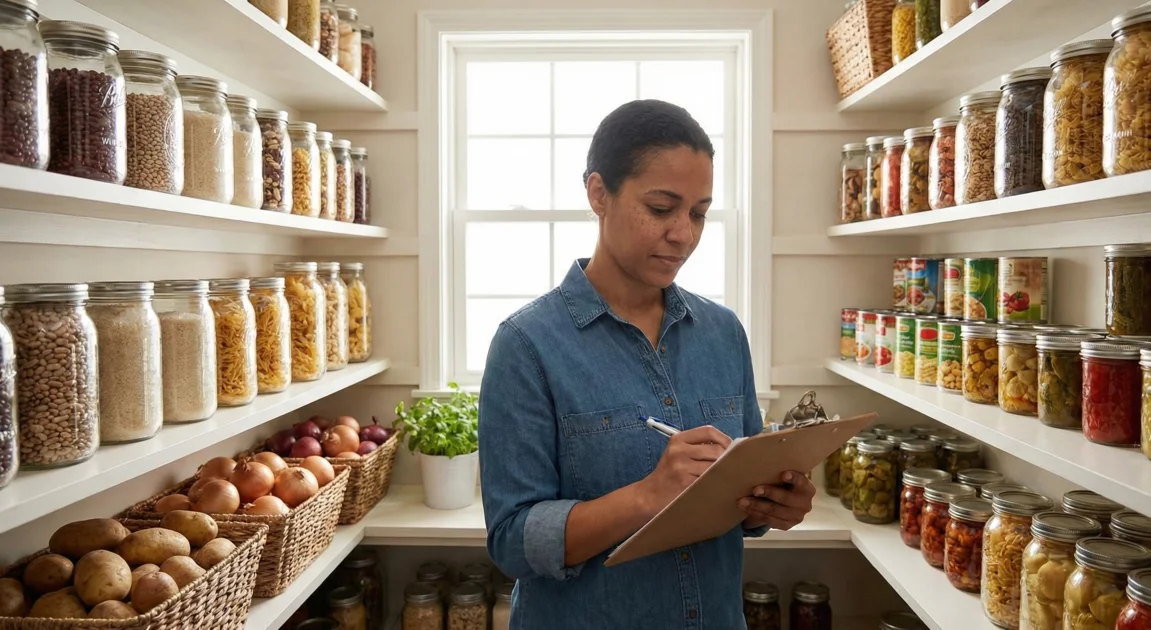
Budget-friendly food resilience: stretching dollars and building security
Quick Takeaways for Budget-Friendly Food Resilience
- Plan before you shop. Make a list, set a budget, and stick to it to avoid impulse purchases.
- Shop smart. Compare unit prices, look for sales and discounted produce, and buy generic brands when possible.
- Stock up strategically. Purchase canned goods and staples on sale and freeze surplus perishable items like fish, fruit, vegetables, and bread.
- Choose affordable proteins. Beans, lentils, and other plant‑based proteins are inexpensive and nutritious.
- Cook at home and limit processed foods. Prepackaged meals cost more and often contain higher sodium, sugar, and fat.
Who This Guide Is For and When It Matters
This guide is for families and individuals seeking to manage rising grocery costs and build a small buffer against supply disruptions. Urban and rural households face different challenges: rural residents may have limited store options, while city dwellers might rely on smaller kitchens. Seasonal price spikes and temporary shortages can occur due to transportation disruptions, climate events, or economic factors. By adopting budget‑friendly shopping and storage habits, households can cushion themselves against price volatility and emergencies. These strategies can be adapted year‑round, with special attention to stocking up during seasonal sales and harvest time.
Risk and Reality Check for Food Costs and Storage
Food costs in the United States have risen in recent years, and unexpected events—from supply chain disruptions to weather‑related crop failures—can lead to temporary shortages or higher prices. Building a resilient pantry doesn’t require hoarding; rather, it means maintaining a rotating stock of staples and learning to cook versatile meals. Overbuying can lead to waste, which negates savings. A resilient pantry ensures you have food during power outages, job loss, or emergencies. However, storing food improperly can attract pests or cause spoilage; invest in good containers and rotate stock regularly[1] [2].
What to Do Today, This Week, and This Season
Today
- Assess your pantry. Take inventory of current staples (grains, legumes, canned goods) and note dates. Identify gaps and foods you rarely use.
- Set a monthly food budget. Decide how much you will spend on groceries each week or month and commit to staying within it.
- Create a grocery list. Base it on your meal plan for the next week; include staple items to replenish.
This Week
- Shop for sales. Use store ads, coupon apps, and price‑matching (where available) to find discounts on items from your list. Purchase discounted produce that is oddly shaped or close to its “best by/best if used by” quality date; it’s often still fine when stored properly[3] [4].
- Compare prices. Check unit prices on shelf labels; explore lower and upper shelves for cheaper options. Consider generic or store‑brand products.
- Stock up on staples. Buy extra canned goods, pasta, rice, and legumes when they’re on sale. Freeze surplus fish, meats, fruits, vegetables, and bread to extend shelf life.
- Try plant‑based meals. Incorporate beans, lentils, and other legumes several times a week as a low‑cost protein source.
- Limit highly processed foods. Avoid convenience items like pre‑grated cheese and pre‑seasoned meat which cost more. Prepare simple meals at home.
This Season
- Preserve seasonal produce. When local fruits and vegetables are abundant and cheaper, freeze, can, or dry them for later use. Check out our food preservation guide.
- Buy in bulk—but wisely. Purchase grains, legumes, and nuts in bulk to save money. Only buy amounts you can store and consume before they spoil.
- Invest in storage and preparation. Acquire airtight containers, labels, and shelving to organise your pantry. Consider a chest freezer and a vacuum sealer to store bulk meats and vegetables.
- Grow some of your own food. Even a small garden or balcony planter can produce herbs, lettuce, or tomatoes, supplementing your diet and saving money (see our small‑space gardening guide).
- Review and rotate. Every few months, review your pantry inventory, rotate older items to the front, and donate foods you won’t use.
The Step-by-Step Plan for Food Resilience
- Plan your meals. Plan meals around what you already have and what’s on sale. Use a meal planning app or notebook to organise breakfast, lunch, and dinner for the week.
- Set a shopping routine. Choose a shopping day each week; check store ads and coupon apps beforehand. Make a list and stick to it.
- Shop smarter. Compare unit prices across brands and sizes. Look beyond eye‑level shelves for cheaper products. Buy generic brands when quality differences are minimal.
- Stock up strategically. When staples go on sale, purchase extra; freeze perishable items to extend shelf life. Avoid buying more than you can store or use.
- Choose affordable proteins. Cook meals with beans, lentils, chickpeas, eggs, and canned fish. These foods are inexpensive and nutritious.
- Cook at home. Prepare meals from scratch using whole ingredients. Prepackaged meals and snacks often cost more and provide less nutritional value.
- Organise and store. Transfer bulk dry goods to airtight containers; label them with purchase and (if present) best‑quality dates. Arrange pantry shelves so older items are used first.
- Reduce waste. Use leftovers creatively, freeze excess portions, and compost scraps. Keep a “use soon” bin in the fridge to remind you of perishable items.
- Review your budget. Track spending each week and adjust your meal plan accordingly. Celebrate successes and identify areas to improve.
Key Decision Points
- Store‑bought vs. homemade. Decide when to invest time in cooking from scratch versus buying prepared items. Homemade meals usually cost less but require time and planning.
- Fresh vs. frozen/canned produce. Fresh produce is often cheaper in season; frozen and canned options offer convenience and can be less expensive off‑season[5].
- Bulk vs. single‑serve. Single‑serve packs are convenient but more expensive; buy larger sizes and portion them at home.
- Plant‑based vs. animal protein. Consider the cost difference and nutritional value; plant‑based proteins are generally cheaper and have longer shelf life.
- Discount stores vs. mainstream supermarkets. Explore discount grocers and cultural markets for lower prices.
Recommended Product Families for Food Storage and Savings
Bulk Food Containers
Why it helps: Storing grains, flour, legumes, and dried goods in bulk containers preserves freshness and prevents pest infestation.
What to look for:
- Food‑grade plastic or glass jars with airtight seals.
- Stackable or space‑saving design.
- Wide openings for easy scooping and cleaning.
Good / Better / Best:
- Good: Plastic storage bins with snap lids.
- Better: Glass jars with silicone seals and clamp lids.
- Best: BPA‑free stackable bins with built‑in dispensers or pour spouts.
[Affiliate link: Bulk food containers – option A] [Affiliate link: Bulk food containers – option B] [Affiliate link: Bulk food containers – option C]
Airtight Food Storage
Why it helps: Keeps opened packages of cereals, nuts, snacks, and baking ingredients fresh and organised.
What to look for:
- Containers with airtight gaskets and locking mechanisms.
- Transparent sides to see contents and track quantity.
- Various sizes to accommodate different foods.
Good / Better / Best:
- Good: Basic plastic containers with sealable lids.
- Better: Modular container set with airtight latches.
- Best: Glass or stainless‑steel containers with vacuum‑seal lids.
[Affiliate link: Airtight food storage – option A] [Affiliate link: Airtight food storage – option B] [Affiliate link: Airtight food storage – option C]
Meal Planning Apps or Journals
Why it helps: Helps you organise meals, avoid last‑minute takeout, and reduce food waste.
What to look for:
- Digital apps that allow recipe saving, grocery lists, and budget tracking.
- Paper journals with weekly planning pages and shopping list sections.
- Integration with dietary preferences or family favourites.
Good / Better / Best:
- Good: Simple app with meal planner and grocery list.
- Better: App with nutritional analysis and budget calculator.
- Best: Comprehensive app with recipe database, price comparison, and pantry inventory.
[Affiliate link: Meal planning apps or journals – option A] [Affiliate link: Meal planning apps or journals – option B] [Affiliate link: Meal planning apps or journals – option C]
Coupon and Sale Tracking Apps
Why it helps: Identifies discounts and price matches, allowing you to save money on groceries.
What to look for:
- Apps that aggregate store ads and coupons from multiple stores.
- Price‑matching features and alerts for your shopping list items.
- Integration with rewards programs or cash‑back offers.
Good / Better / Best:
- Good: App that compiles store ads and highlights discounts.
- Better: App with digital coupon clipping and price‑match scanning.
- Best: App that tracks spending, provides personalised offers, and integrates with loyalty programs.
[Affiliate link: Coupon and sale tracking apps – option A] [Affiliate link: Coupon and sale tracking apps – option B] [Affiliate link: Coupon and sale tracking apps – option C]
Freezers and Vacuum Sealers
Why it helps: Extends the shelf life of bulk purchases and seasonal produce by freezing and reducing freezer burn.
What to look for:
- Chest freezer or upright freezer with adjustable temperature and energy efficiency.
- Vacuum sealer machines with sealing bags or rolls.
- Bag materials that are BPA‑free and durable.
Good / Better / Best:
- Good: Compact chest freezer and handheld vacuum sealer.
- Better: Mid‑size energy‑efficient freezer and countertop sealer.
- Best: Large high‑efficiency freezer and professional‑grade vacuum sealer with multiple settings.
[Affiliate link: Freezers and vacuum sealers – option A] [Affiliate link: Freezers and vacuum sealers – option B] [Affiliate link: Freezers and vacuum sealers – option C]
Reusable Produce Bags
Why it helps: Reduces waste and saves money by avoiding disposable plastic bags when buying fruits and vegetables.
What to look for:
- Lightweight mesh or cotton bags with drawstrings.
- Machine washable and durable construction.
- See‑through design to allow cashiers to identify produce.
Good / Better / Best:
- Good: Simple mesh bags in various sizes.
- Better: Organic cotton bags with tare weight labels.
- Best: Mixed set with mesh and solid bags, including bulk bin bags for nuts and grains.
[Affiliate link: Reusable produce bags – option A] [Affiliate link: Reusable produce bags – option B] [Affiliate link: Reusable produce bags – option C]
Reusable Shopping Bags
Why it helps: Eliminates the cost of single‑use bags and reduces environmental impact.
What to look for:
- Strong handles and heavy‑duty fabric.
- Foldable design for easy storage.
- Washable materials.
Good / Better / Best:
- Good: Basic tote bag.
- Better: Reinforced bag with boxy design and stiff bottom.
- Best: Insulated and waterproof bags for cold items and liquids.
[Affiliate link: Reusable shopping bags – option A] [Affiliate link: Reusable shopping bags – option B] [Affiliate link: Reusable shopping bags – option C]
Budget-Friendly Cookbooks
Why it helps: Provides recipes using affordable ingredients, reducing reliance on expensive takeout.
What to look for:
- Cookbooks focusing on pantry staples, plant‑based meals, or one‑pot dishes.
- Clear instructions and realistic portion sizes.
- Nutrition information and cost per serving.
Good / Better / Best:
- Good: Digital cookbook or blog compilation.
- Better: Paperback cookbook with cost breakdown and seasonal recipes.
- Best: Comprehensive guide with meal plans, shopping lists, and cost analysis.
[Affiliate link: Budget-friendly cookbooks – option A] [Affiliate link: Budget-friendly cookbooks – option B] [Affiliate link: Budget-friendly cookbooks – option C]
Pantry Shelves
Why it helps: Organised shelving maximises storage space and keeps food visible, reducing waste.
What to look for:
- Adjustable shelving units or wire racks.
- Weight rating appropriate for heavy jars and canned goods.
- Moisture‑resistant materials, especially for basements.
Good / Better / Best:
- Good: Basic wire shelf or plastic shelving unit.
- Better: Metal shelving with adjustable shelves.
- Best: Heavy‑duty chrome or stainless‑steel rack with wheels and locking casters.
[Affiliate link: Pantry shelves – option A] [Affiliate link: Pantry shelves – option B] [Affiliate link: Pantry shelves – option C]
Checklists for Budget-Friendly Food Resilience
Budget-friendly food resilience checklist
- Set a grocery budget and meal plan for the week
- Make a shopping list and stick to it
- Use store ads and apps to find sales and coupons
- Compare unit prices and look for generic brands
- Stock up on canned goods and staples when on sale
- Freeze surplus fish, fruit, vegetables, bread, and meats
- Choose plant‑based proteins like beans and lentils
- Limit highly processed foods and cook at home
- Buy produce in season or choose frozen/canned alternatives
- Invest in bulk containers, airtight storage, and freezer equipment
- Rotate pantry items and track dates
- Grow herbs or vegetables in containers or garden beds
Common Mistakes and Myths to Avoid
- “Eating healthy costs more.” Planning and cooking at home with whole ingredients can save money and improve nutrition.
- “Bulk is always cheaper.” Bulk purchases save money only if you consume them before they spoil.
- “Generic brands are lower quality.” Store‑brand products often match or exceed name brands in quality at lower prices[10] [11].
- “Processed foods are more convenient.” Simple recipes using staples can be prepared quickly and cost less than packaged meals.
- “I don’t have time to plan meals.” Even a basic weekly meal plan reduces stress and waste; use apps to streamline the process.
When to Escalate or Seek Further Assistance
- Consult a nutritionist or dietitian if you have dietary restrictions or health conditions requiring specialised meals.
- Speak with a financial advisor or community organisation if food costs exceed your budget; assistance programs may be available.
- If your home lacks adequate storage or freezer space, consider community kitchens or food co‑ops for shared resources.
Sources
- Food Price Outlook - USDA Economic Research Service (ERS)
- Consumer Price Index Summary - 2025 M12 Results (BLS)
- USDA-FDA seek information about food date labeling (FDA)
- Best by vs. sell by: expiration dates explained (UGA Extension)
- Nutrition & Costs Comparisons of Select Canned, Frozen and Fresh Fruits and Vegetables (MSU Extension)
- CPI Home (BLS)
- Tips for Handling Food Following a Disaster (USDA FNS)
- Preparing an Emergency Food Supply (UGA Extension)
- Food expiration date labels: food safety & waste reduction (ReFED)
- Cheaper store brands not always worth savings (MSU Extension)
- Store-Brand vs. Name-Brand Taste-Off (Consumer Reports)