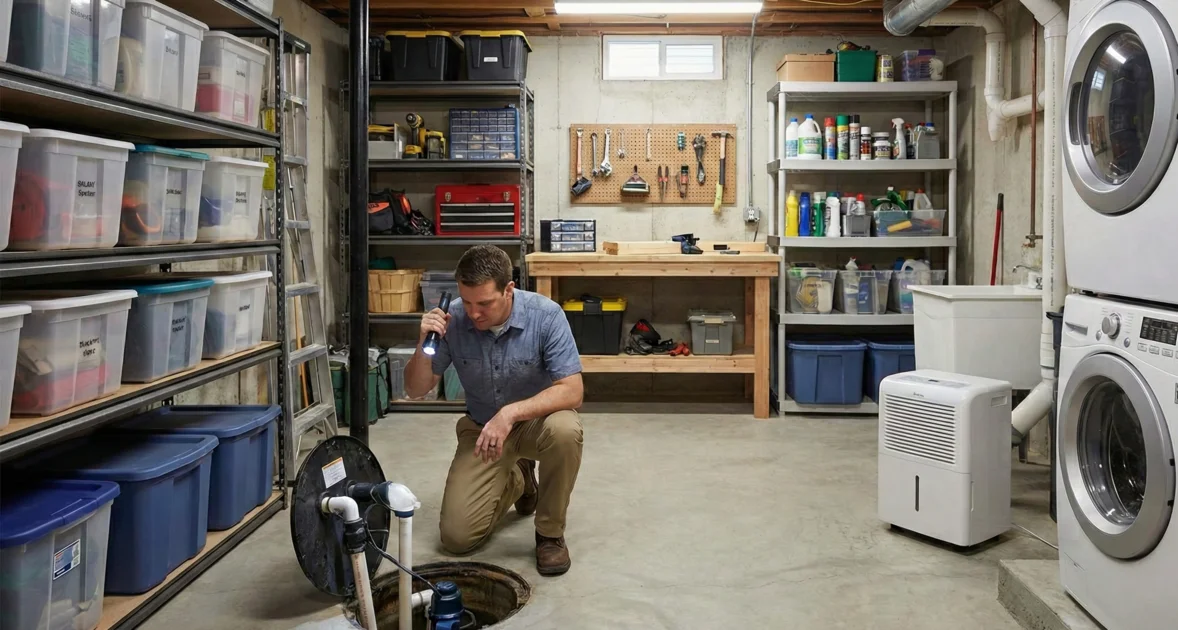
Basement and plumbing flood protection: keeping water out and away
Quick takeaways
- A working sump pump is your first defence. Test your pump regularly by pouring water into the pit and install a battery or generator backup.
- Prevent sewer backflow. A backflow or backwater valve stops sewage from flowing back into your basement during heavy rain or municipal overload.
- Seal and maintain. Seal cracks in foundation walls and floors with waterproofing products; keep floor drains clear and functional.
- Detect leaks early. Install water sensors near plumbing fixtures and pumps; connect them to alarms or smart monitors for instant alerts.
- Control humidity. Use dehumidifiers to reduce moisture and mould growth after minor seepage or high humidity.
Who this is for / when this matters in Canada
Any homeowner or renter with a basement or crawl space, especially in flood‑prone regions, should consider plumbing protections. Basements are common across much of Canada, from Vancouver to Toronto to Halifax. Flooding can occur due to spring melt, heavy thunderstorms, municipal sewer overloads or groundwater seeping through cracks. Even homes on hillsides may experience seepage during prolonged wet weather. Winter is an ideal time to schedule professional installations and maintenance when contractors are less busy, while spring and fall are good for routine testing and sealing. Renters should communicate with landlords about sump pump maintenance and ask about backwater valves and insurance coverage.
Risk and reality check
Basement flooding is not only inconvenient—it can cause thousands of dollars in damage, foster mould and compromise structural integrity. Sewer backup introduces contaminated water and health hazards. Many standard insurance policies do not cover sewer backup or overland flooding; homeowners must purchase endorsements or separate coverage. Some municipalities offer rebates for installing backwater valves or upgrading sump pumps. While major plumbing upgrades require professional installation, regular maintenance and simple devices (water alarms, dehumidifiers) can be handled by homeowners.
What to do today / this week / this season
Today
- Locate your sump pump and backwater valve. Identify where your sump pit, pump and backwater valve (if present) are located. Ensure the area around them is clean and accessible.
- Inspect floor drains. Check that floor drains in your basement or utility room are uncovered and free of debris.
- Seal minor cracks. Fill hairline cracks in concrete walls or floors with waterproof sealant or hydraulic cement.
This week
- Test the sump pump. Pour a bucket of water into the pit to ensure the pump activates and discharges water. Listen for any unusual noises. If it doesn’t run, troubleshoot or call a plumber.
- Install water alarms. Place water sensors near the sump pit, hot water tank and floor drains; choose models with audible alerts or smart notifications.
- Clear pipes and gutters. Flush floor drains with water and clean the weeping tile discharge line. Ensure downspouts and gutters are clear to reduce load on the sump system.
- Plan for backup power. If you live in an area prone to outages, purchase a battery backup system or portable generator to keep your pump running during storms.
This season
- Install or upgrade a sump pump. Consider replacing older pumps with more efficient models and adding a second pump or battery backup for redundancy.
- Add a backflow preventer. Hire a licensed plumber to install or service a backflow valve on your sewer line; many municipalities require permits and may offer rebates.
- Waterproof the foundation. Apply an exterior waterproofing membrane or interior drainage system if persistent seepage occurs. Evaluate the need for professional waterproofing.
- Purchase a wet/dry vacuum and dehumidifier. These tools help manage minor water intrusion and control humidity levels post‑event.
- Review insurance coverage. Confirm that your home insurance includes sewer backup or overland water endorsements.
The plan (step‑by‑step)
- Assess your basement. Identify all potential water entry points, including cracks, window wells, floor drains and utility penetrations. Note the location and age of your sump pump and check valve.
- Maintain and test the sump pump. Clean the sump pit of debris. Pour water into the pit to trigger the pump. Inspect the discharge pipe for obstructions and ensure it extends away from the foundation. Replace the pump every 7–10 years or as recommended by the manufacturer.
- Install backup power. Choose between a battery backup system (runs automatically when mains power fails) or a portable generator (requires manual startup). Ensure you have enough fuel and test the system twice a year.
- Backwater valve installation. Have a plumber install a backwater valve on your main sewer line or floor drain. Ensure the valve is accessible for inspection; check it annually by removing the cover and clearing debris.
- Seal foundation cracks. For minor cracks, use hydraulic cement or polyurethane sealant. For major issues, consult a structural engineer. Maintain proper grading outside to reduce hydrostatic pressure.
- Waterproof windows and doors. Install window well covers and seal thresholds. Consider flood doors or barriers for basement entrances.
- Install water alarms. Place battery‑powered or Wi‑Fi‑enabled sensors near sump pits, floor drains and appliances. Test the alarms and replace batteries annually.
- Manage humidity. After heavy rains or minor leaks, use a wet/dry vacuum to remove water and operate a dehumidifier until the area is dry. Maintain indoor humidity below 50 % to prevent mould growth.
- Regular inspections. Schedule professional inspections of plumbing systems every few years, especially after major storms. Clean and test devices in spring and fall.
Decision points
- Submersible vs. pedestal pump. Submersible pumps are quieter and sit in the water; pedestal pumps are easier to service but louder. Consider noise, maintenance accessibility and pit size.
- DIY vs. professional installation. Homeowners can test pumps and install water alarms, but plumbing modifications (backwater valves) require licensed professionals and permits.
- Battery backup vs. generator. Battery backups switch automatically and are maintenance‑free, but only run for a few hours. Generators provide longer power but require fuel and manual operation.
- Temporary vs. permanent waterproofing. Crack sealant and interior coatings help with minor seepage; major waterproofing (weeping tile, membrane) is costly but effective for chronic issues.
Product families recommended
Sump pumps with battery backup
Why it helps: Keeps water out of your basement by actively pumping out seepage; the battery backup ensures operation during power outages.
What to look for:
- Primary pump with sufficient horsepower and flow rate.
- Integrated battery backup or separate backup unit.
- Alarms and test buttons to confirm functionality.
Good / Better / Best:
- Good: Primary pump with manual battery backup kit.
- Better: Dual pump system with automatic battery backup and charger.
- Best: Integrated smart pump with Wi‑Fi monitoring, battery backup and self‑testing.
[Affiliate link: Sump pumps with battery backup – option A] [Affiliate link: Sump pumps with battery backup – option B] [Affiliate link: Sump pumps with battery backup – option C]
Backflow preventer valves
Why it helps: Prevents sewage or stormwater from flowing backward into your home during intense rainfall.
What to look for:
- Properly sized valve for your pipe diameter.
- Transparent or accessible cleanout for maintenance.
- CSA or municipal approval.
Good / Better / Best:
- Good: Basic flap‑style valve for floor drains.
- Better: Inline mainline valve with clear cover.
- Best: Automatic motorized valve with remote monitoring.
[Affiliate link: Backflow preventer valves – option A] [Affiliate link: Backflow preventer valves – option B] [Affiliate link: Backflow preventer valves – option C]
Floor drains and check valves
Why it helps: Functional floor drains allow water to exit; check valves on branch lines prevent backflow.
What to look for:
- Wide drain grates to prevent clogging.
- Removable covers for cleaning.
- Check valves designed for washing machines or basement bathrooms.
Good / Better / Best:
- Good: Basic floor drain with metal grate.
- Better: Drain with built‑in backflow valve.
- Best: Automatic shut‑off drain with integrated water sensor.
[Affiliate link: Floor drains and check valves – option A] [Affiliate link: Floor drains and check valves – option B] [Affiliate link: Floor drains and check valves – option C]
Water-sensing alarms
Why it helps: Provides early warning of leaks, pump failures or flooding.
What to look for:
- Standalone or smart sensors with loud alarms.
- Wireless connectivity to mobile devices.
- Long battery life and low battery alerts.
Good / Better / Best:
- Good: Simple battery‑powered sensor with audible alarm.
- Better: Wi‑Fi‑enabled sensor with smartphone notifications.
- Best: Multi‑zone system with automatic shut‑off valve and mobile app integration.
[Affiliate link: Water-sensing alarms – option A] [Affiliate link: Water-sensing alarms – option B] [Affiliate link: Water-sensing alarms – option C]
Waterproofing sealants
Why it helps: Seals small cracks and pores in concrete to prevent water seepage.
What to look for:
- Hydraulic cement for active leaks.
- Polyurethane or epoxy crack fillers for structural repairs.
- Elastomeric coatings for broad wall applications.
Good / Better / Best:
- Good: Interior waterproofing paint.
- Better: Polyurethane crack injection kit.
- Best: Professional‑grade two‑part epoxy system with flexible seal.
[Affiliate link: Waterproofing sealants – option A] [Affiliate link: Waterproofing sealants – option B] [Affiliate link: Waterproofing sealants – option C]
Backup generators
Why it helps: Keeps sump pumps and essential appliances running when power fails.
What to look for:
- Portable generator with sufficient wattage for your pump and fridge.
- Inverter generators for sensitive electronics.
- Fuel type (gasoline, propane) and runtime.
Good / Better / Best:
- Good: Small portable generator for short outages.
- Better: Mid‑sized inverter generator with multiple outlets.
- Best: Automatic standby generator connected to home’s electrical system.
[Affiliate link: Backup generators – option A] [Affiliate link: Backup generators – option B] [Affiliate link: Backup generators – option C]
Wet/dry vacuums
Why it helps: Allows quick removal of water from floors and carpets after minor flooding.
What to look for:
- High suction power and large tank capacity.
- Attachments for tight spaces and upholstery.
- Drain plug for easy emptying.
Good / Better / Best:
- Good: Compact wet/dry vacuum for small spills.
- Better: 12‑gallon vacuum with multiple attachments.
- Best: Industrial‑grade wet/dry vacuum with pump‑out feature.
[Affiliate link: Wet/dry vacuums – option A] [Affiliate link: Wet/dry vacuums – option B] [Affiliate link: Wet/dry vacuums – option C]
Dehumidifiers
Why it helps: Reduces moisture levels after flooding or during damp seasons to prevent mould and mildew.
What to look for:
- Capacity rated in litres per day (choose based on room size).
- Built‑in humidistat and automatic shut‑off.
- Continuous drain option for unattended operation.
Good / Better / Best:
- Good: Small 30‑pint dehumidifier.
- Better: 50‑pint unit with digital controls and pump.
- Best: Whole‑house dehumidifier integrated into HVAC system.
[Affiliate link: Dehumidifiers – option A] [Affiliate link: Dehumidifiers – option B] [Affiliate link: Dehumidifiers – option C]
Checklists
Basement plumbing protection checklist
- Identify and locate sump pump, sump pit and backwater valve
- Ensure floor drains are uncovered and clear
- Test sump pump by pouring water into pit
- Inspect discharge pipe and ensure it drains away from foundation
- Install or test battery backup or generator for sump pump
- Schedule plumber to install or inspect backflow valve
- Seal foundation cracks with appropriate waterproofing product
- Install water sensors near sump pit, drains and appliances
- Elevate appliances or protect them with risers
- Purchase wet/dry vacuum and dehumidifier for cleanup
- Review insurance policy to confirm sewer backup and flood coverage
Common mistakes / myths
- “My backwater valve works automatically forever.” Valves need annual inspection and cleaning; debris can prevent them from closing.
- “A sump pump is enough.” Without backup power, the pump won’t operate during a power outage; add a battery or generator.
- “Sealants fix all leaks.” Waterproof coatings help but cannot overcome poor grading or high groundwater; comprehensive drainage may be required.
- “Wet carpet will dry on its own.” Leaving water in carpets fosters mould growth; remove water quickly with a wet/dry vacuum and dehumidifier.
- “Insurance covers any water damage.” Policies vary; many exclude sewer backup and overland flooding unless added.
When to escalate
- Hire a plumber if your pump or valve fails, you notice slow drainage or sewage smell, or you plan to install a backwater valve.
- Engage a waterproofing contractor if you experience recurrent seepage or major foundation cracks.
- Contact electricians to install backup generators and ensure safe connections.
- If your basement floods despite precautions, evacuate and call professionals rather than entering deep water or handling live electrical equipment.
Sources and verification notes
- Flood‑ready fixes recommended by the Government of Canada include installing sump pumps, backwater valves and water alarms, raising appliances and using waterproof materials.
- BC’s “Getting ready before a flood” and the federal flood preparedness guides advise clearing floor drains and eavestroughs, grading soil away from foundations and storing important documents on higher levels.
- Canadian Red Cross step by step flood preparedness
- The Financial Consumer Agency of Canada notes that home insurance policies may not cover floods or sewer backups, and additional coverage may be required.